
The Yomim
These are the days

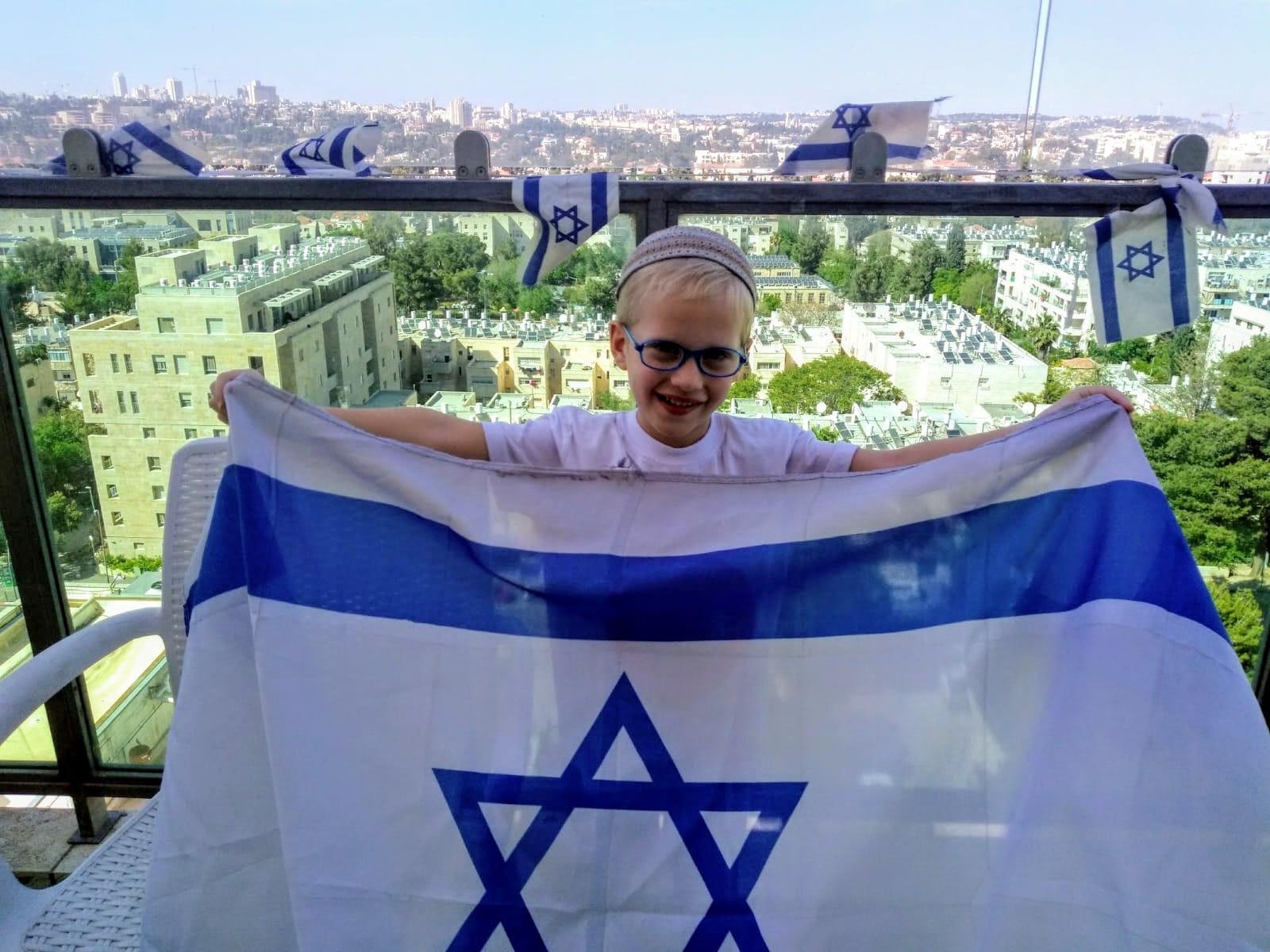
Everywhere blue and white. Balconies, cars, highways. In Israel, during these days, the flags aren’t subtle.
In Israel, a country can go from a memorial ceremony to barbecues in the park in a matter of hours.
Life here is measured in holidays.
Not just the big ones. Holidays shape the rhythm of the country in a way that’s hard to understand until you’re living it.
Shabbat is the anchor.
Arguably the most important holiday on the Jewish calendar.
And somehow, it happens every single week.
Try explaining that one to non-Jewish friends: “Our most important holiday? Yeah… every Saturday.”
But that’s a topic for another time.
Right now, we’re in a very specific stretch of the calendar. The fifty days between Passover and Shavuot.
The day after the Seder, we start counting. Forty-nine days leading up to Shavuot. It’s an old, deliberate tradition.
But in Israel, something else is inserted into this stretch of time.
A cluster of modern holidays.
National ones.
I just call them the Yomim.
The Days.
Yom HaShoah.
Yom HaZikaron.
Yom HaAtzmaut.
Yom Yerushalayim.
They all fall in rapid succession within these fifty days.
And they feel very different from the biblical holidays.
Less ritual. More national identity. More emotion.
If you want to understand Israel, watch what happens on Yom HaZikaron.
In the U.S., Memorial Day is a long weekend. Sales, barbecues, the unofficial start of summer.
In Israel, it’s not that.
The entire mood of the country shifts.
The music changes.
Television slows down.
Plans get quieter.
Flags are lowered to half-staff.
People go to cemeteries.
Not out of obligation.
But, because they know someone.
Or know someone who does.
Israel is small like that.
This year, one memory stayed with me.
Rachel Goldberg standing on a stage with a violin at a past Yom Hazikaron ceremony.
Her husband, Rabbi Avi Goldberg, had been killed in the war.
Years ago, when they were on shlichut in Memphis, Avi and Rachel often played together in our home. He, clarinet and her, violin.
Now, she stood there alone.
A recording of Avi playing the clarinet filled the space, and Rachel played alongside him.
Just as they had before.
Only this time, she was accompanying a memory.
That’s Israel in these days.
Loss… and something that continues anyway.
And then comes the turn.
Yom HaZikaron ends… and almost immediately, everything flips.
The flags go back up.
The mood changes.
Yom HaAtzmaut begins.
Fireworks. Music. Crowds. And what Israelis call “al ha’esh,” on the fire.
Which loosely means: everyone in the country grills at the exact same time.
Watching an Israeli family arrive at the park for a Yom HaAtzmaut barbecue is something to see.
The car pulls up.
The trunk opens.
And then… it just keeps going.
Out comes the grill.
A folding table.
Chairs.
Coolers.
Bags of food that could feed a small army.
More bags.
More food.
Children.
Saba and Savta.
At some point you start to wonder if the kitchen is coming next.
It’s like a clown car.
It doesn’t make sense how much comes out of one vehicle.
And then, within minutes, it’s all set up and running like a full outdoor restaurant.
This is how Israelis celebrate independence.
Together. Loud. With a lot of food.
And everywhere, the flags.
On balconies. On cars. Lining the streets.
There are flag dances on Yom HaAtzmaut.
Parades of flags on Yom Yerushalayim.
Blue and white everywhere you look.
Which brings you back to what the Yomim really are.
Not just separate holidays.
But a sequence.
You move from remembering the cost straight into celebrating the country.
One leads into the other.
It shouldn’t make sense.
But here, it does.
👍Great article Alan!